Since I got the bright idea of writing a murder mystery (working title ‘Gold Dust to Dust’)set in Kalgoorlie during the 1890s gold rush, I’ve been trying to reconcile images of the modern city with what it would’ve been like in 1894, one year after Paddy Hannan and his mates registered the find that started the rush to what would become the Golden Mile.
It’s been a long time since I’ve spent any time in the Eastern Goldfields, but in 1969 we spent nearly a year at Kalgoorlie. It was at the height of the nickel boom and the place was buzzing, so I’ve been trying to get my head around what it would’ve been like when it was still Hannan’s, the little canvas, bush timber and hessian town that sprang up in those first years.
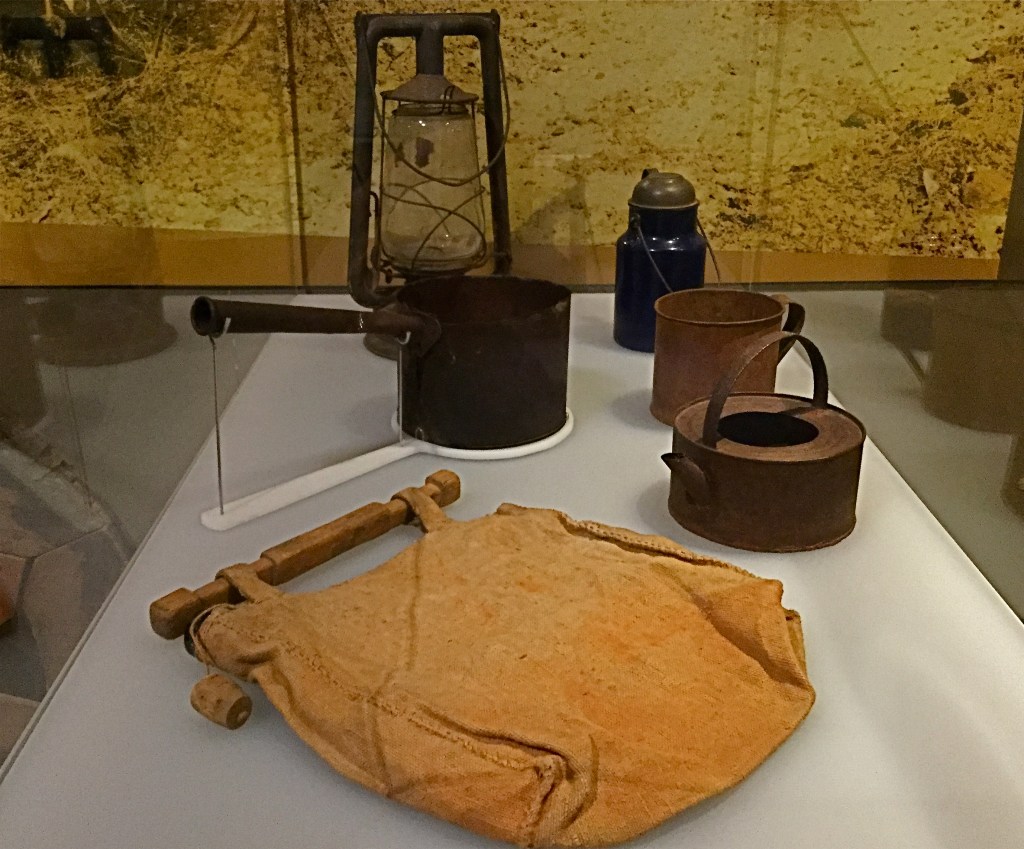
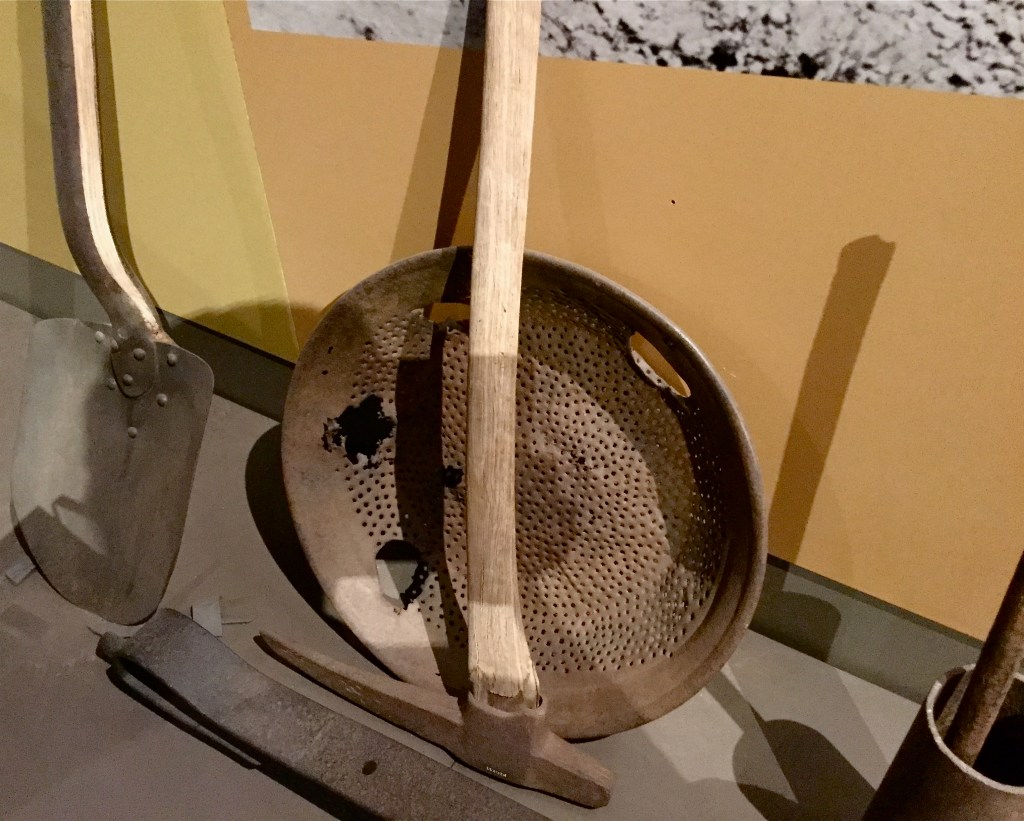
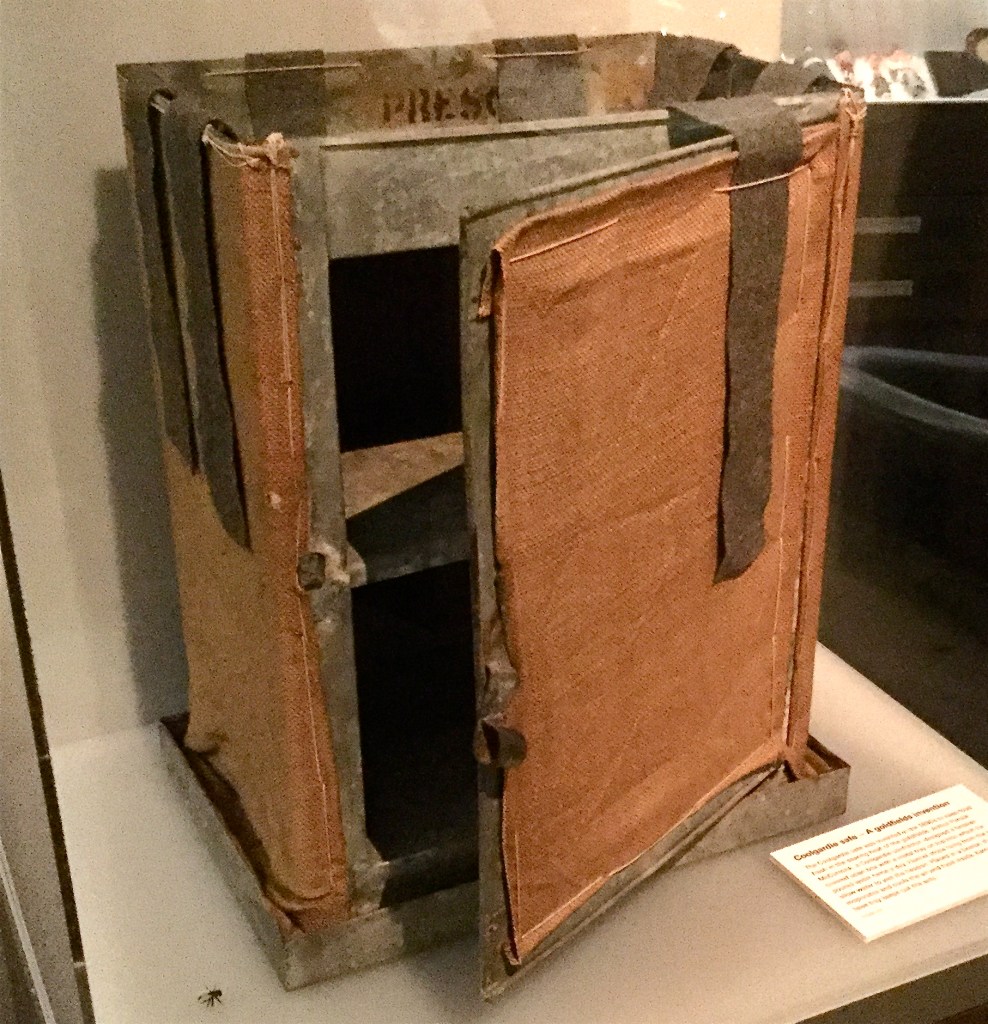
So, last week, we made a quick trip up to Kalgoorlie to see what we could see. My first visit was to the Kalgoorlie Museum. As taking photos of the exhibits was allowed, I took these photos of some of the equipment used by those first prospectors. Then, looking down from the top of the mine headframe that towers over the Museum building, it was hard to imagine what that view would’ve been like without the roads, the buildings, the bus in the foreground, and the enormous slag heaps and mine structures in the distance.



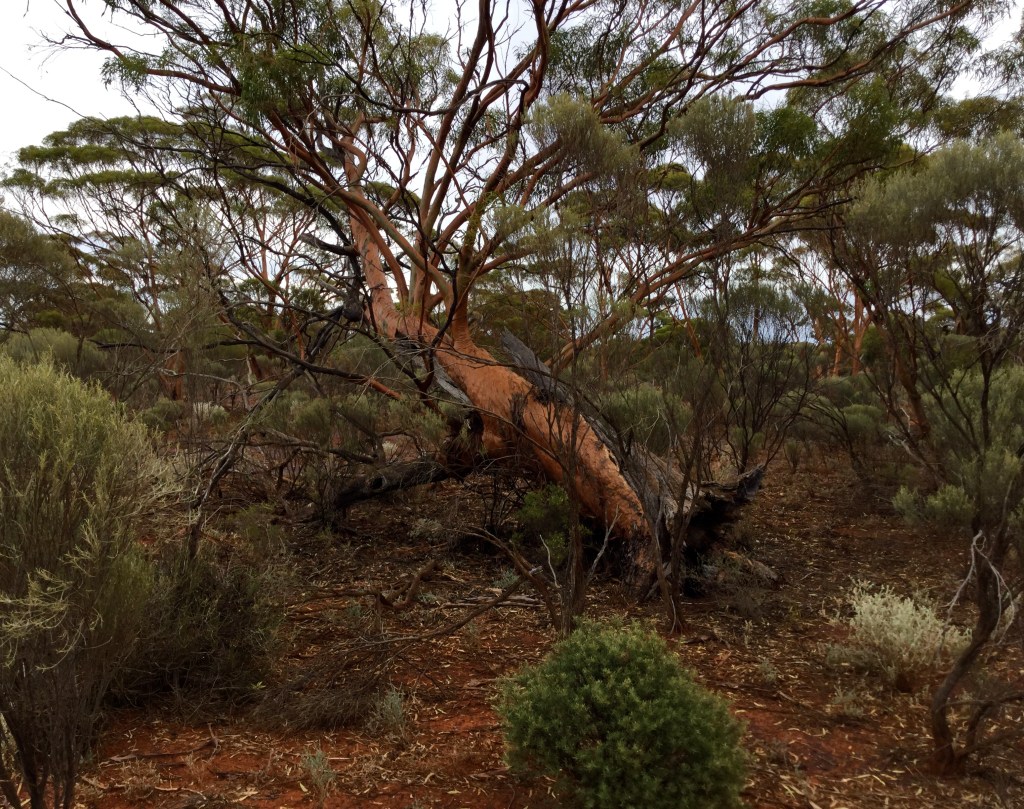
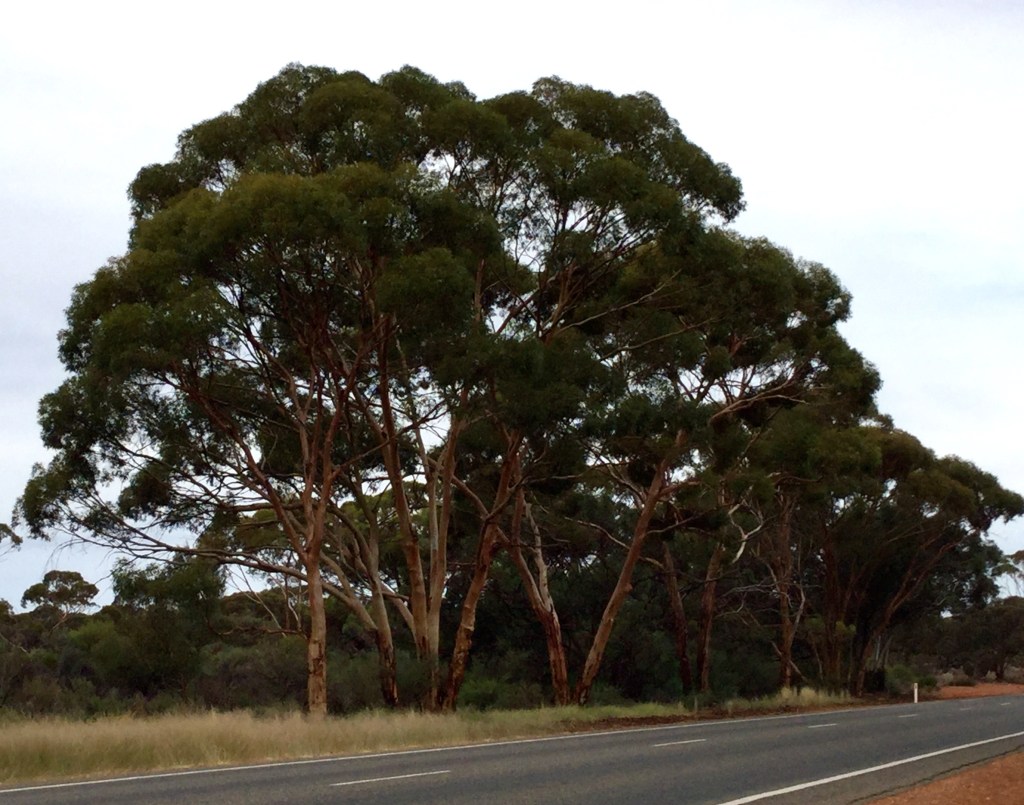
So, we went for a drive out to Broad Arrow and Ora Banda, now just ghost towns but once thriving places. Maybe it’s because there’s been quite a bit of rain inland this year (probably due to global warming) that the trees, most notably salmon gums and gimlets with their coppery trunks, were looking at their best. If we ignore the road in some of these photos, they show what the countryside would have been like beyond the almost treeless dirt heap that was Hannan’s after every bit had been dug over by the thousands of men who came searching for gold.



 Lynne Cairns