Gold Dust to Dust

Since I got the bright idea of writing a murder mystery (working title ‘Gold Dust to Dust’)set in Kalgoorlie during the 1890s gold rush, I’ve been trying to reconcile images of the modern city with what it would’ve been like in 1894, one year after Paddy Hannan and his mates registered the find that started the rush to what would become the Golden Mile. 

It’s been a long time since I’ve spent any time in the Eastern Goldfields, but in 1969 we spent nearly a year at Kalgoorlie. It was at the height of the nickel boom and the place was buzzing, so I’ve been trying to get my head around what it would’ve been like when it was still Hannan’s, the little canvas, bush timber and hessian town that sprang up in those first years.

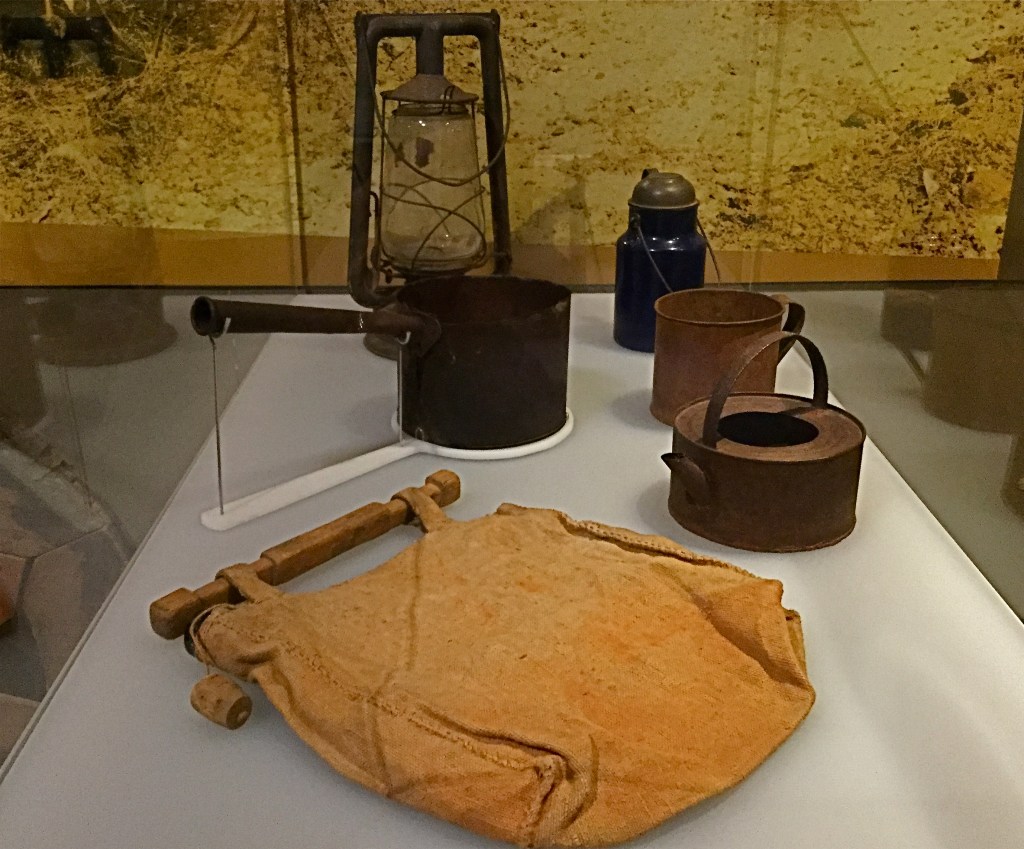
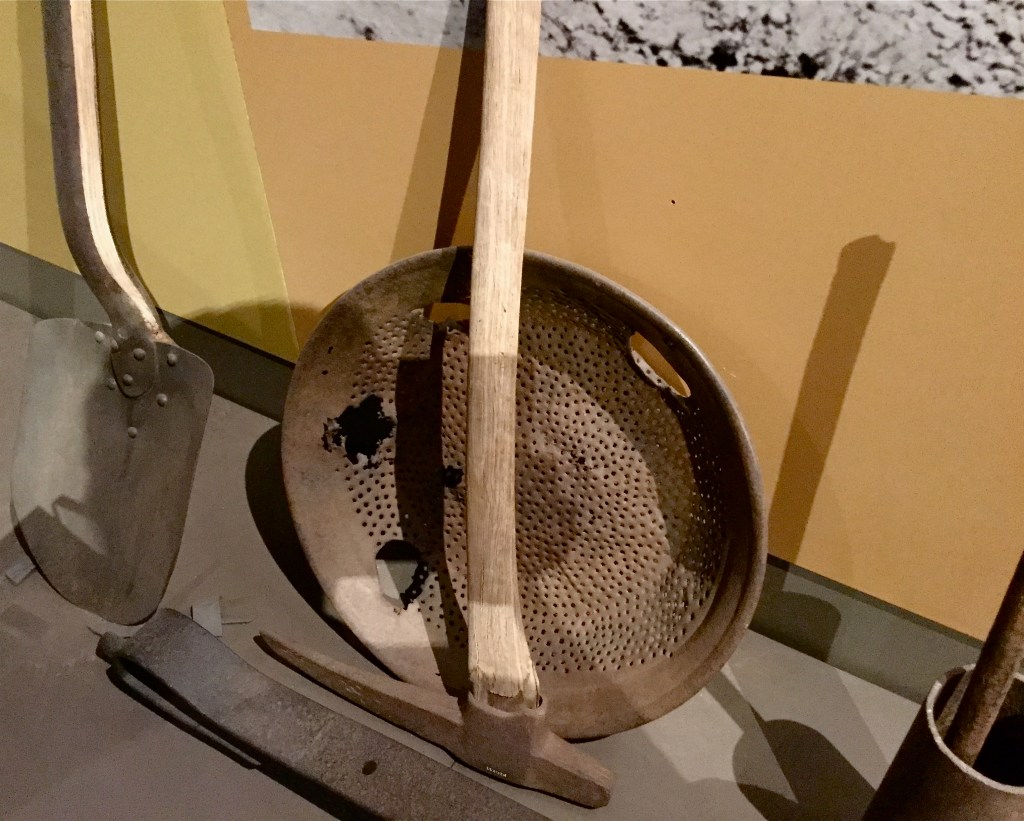
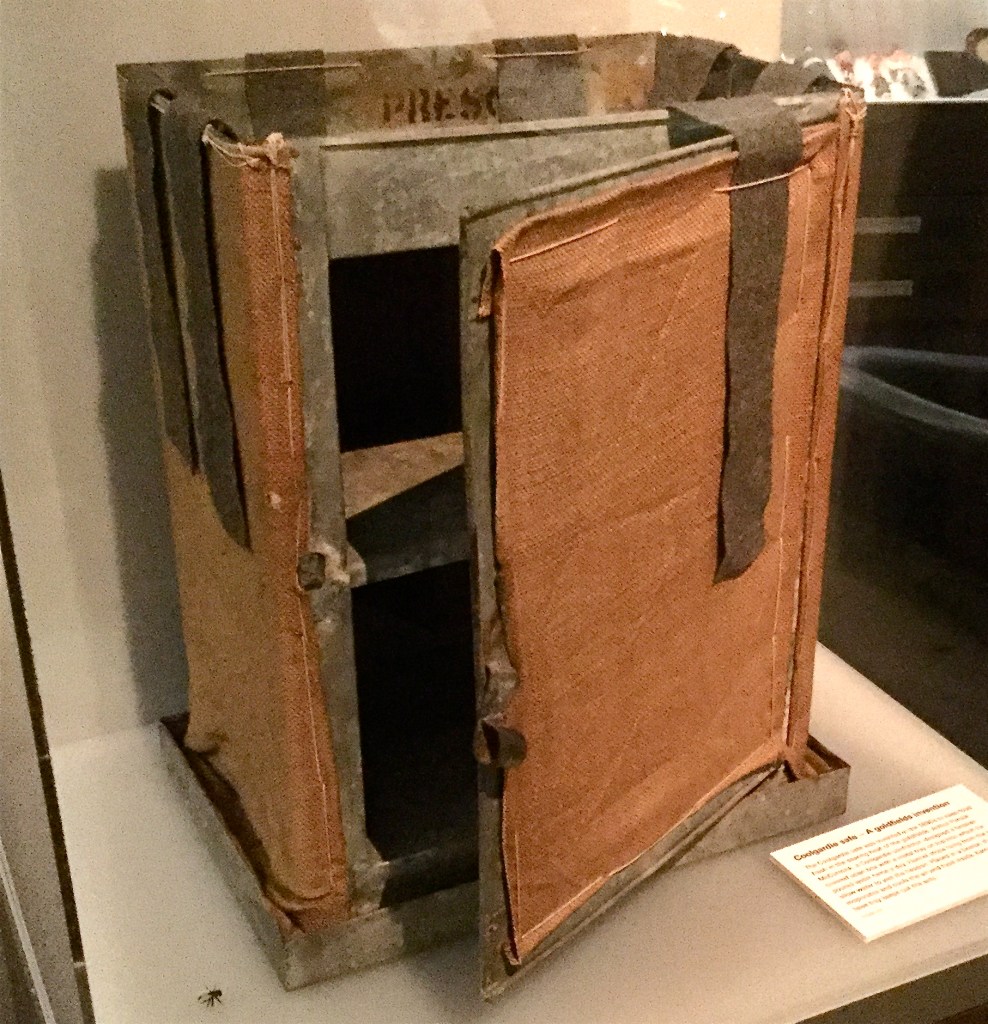
So, last week, we made a quick trip up to Kalgoorlie to see what we could see. My first visit was to the Kalgoorlie Museum. As taking photos of the exhibits was allowed, I took these photos of some of the equipment used by those first prospectors. Then, looking down from the top of the mine headframe that towers over the Museum building, it was hard to imagine what that view would’ve been like without the roads, the buildings, the bus in the foreground, and the enormous slag heaps and mine structures in the distance.

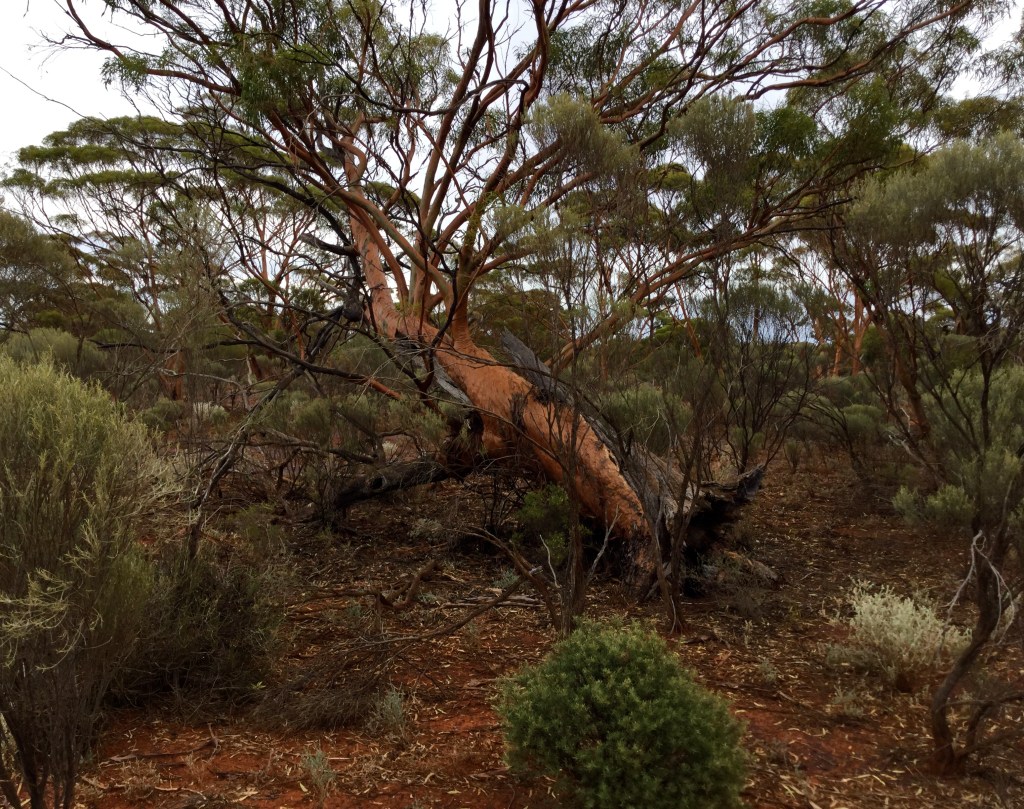
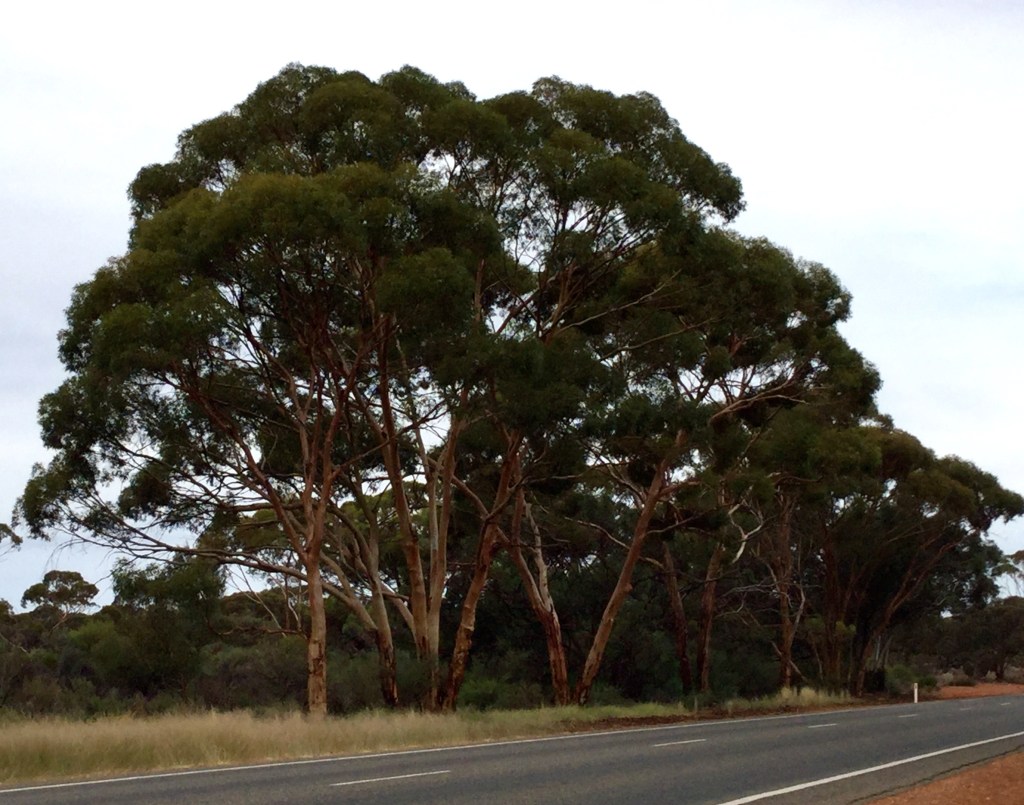
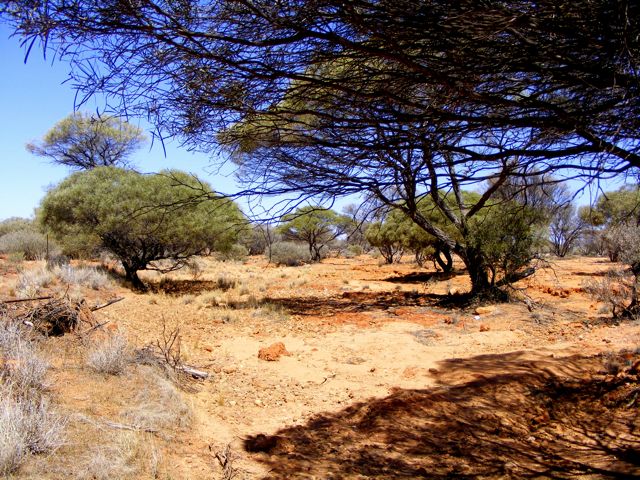
So, we went for a drive out to Broad Arrow and Ora Banda, now just ghost towns but once thriving places. Maybe it’s because there’s been quite a bit of rain inland this year (probably due to global warming) that the trees, most notably salmon gums and gimlets with their coppery trunks, were looking at their best. If we ignore the road in some of these photos, they show what the countryside would have been like beyond the almost treeless dirt heap that was Hannan’s after every bit had been dug over by the thousands of men who came searching for gold.

Old Aussie Terms

Writing historical fiction is one long adventure. Every scene or piece of conversation raises questions. I’ve been agonising about which year my story takes place. Was it in 1894 when the new gold rush town of Hannans was still being cobbled together from canvas, bush timber and hessian and its population in flux, or the next year, when it was becoming Kalgoorlie, and history confirms there WAS a hospital, and a local police force, but where life was becoming more constricted. I think I’ve finally opted for the earlier, more hugger-mugger time.

But it’s mainly language that has been sending me back to the dear old internet. Would an Englishman be a pommie at that time? No, unfortunately, but the red-headed fellow can be nicknamed Bluey. This has got me very interested in some of our Aussie sayings.

I’d always thought ‘pegged out’ was a prospecting term, but wondered when it became synonymous with dying, so I was interested to come across this tribute to an old prospector, published in 1895.  

DEATH OF A COOLGARDIE PIONEER

Tom Darcy pegs out. 

One more miner’s right cancelled.

(By A. G. Hales in the “Courier)

Old Tom Darcy, prospector and works man, has handed in his checks, and is now trying his luck in the mystic goldfields beyond the border. He laid down his swag for the last time in life on Tuesday evening last, just as the sun was sinking in a flood of carmine flame beyond the tops of our western forest. ‘Old’ Darcy was only a simple working man, a child of the people; rough in appearance, rugged of speech, strong with the strength of a splendid manhood, with a heart as gentle as his speech was gruff, and a spirit as loyal to his friends as a good ship to its helm. When his miner’s right ran out for ever, he may have left behind him many a wiser man, but in all the broad Australasian continent from the Gulf of Carpentaria to the Southern Ocean, he left no human being who could claim to be a truer friend in time of need, or a squarer, cleaner man. Years ago I met him when he hunted with pick and spade for silver in the Barrier’s rugged ravines. He was the model of an athlete then, and as a man or athlete Melbourne’s great city might well be proud of its son. From mining camp to mining camp he drifted with all a diggers’ love of the feverish excitement of the treasure hunter’s life, until at last the finger of fate which beckons us all onward, whether we will or no, to our journey’s end, lured him to the great mining centre of the west, and at Coolgardie was known and loved as few men are ever loved, and his dog-like devotion to a man who had ever befriended him passed into a proverb. At Hannan’s, at The Feather, at Kurnalpi, at Bardock,

it was the same; this man of the masses left the imprint of his rude, forceful character upon all with whom his daily life brought him in contact; not a religious man, not a Puritan or saint— simply one of that vast brotherhood of humanity whom superficial fools delight to call ‘the great unwashed.’ He has gone over the border. Never again shall we see his sun-tanned face upon the new rushes in the West; but, when it comes to our turn to abandon our claims as worked out and worthless, it will be well for us, whether we be wardens or workmen, if we can show the Great Minister of Mines in the Field above as clean a title to our claim as old Tom Darcy, one of the pioneers of Coolgardie.

The Inquirer and Commercial News, Friday, 1 March, 1895, p.10

CLOTHES MAKETH THE MAN

With recent revelations of shenanigans within our national parliament, our noble leaders, mostly men, have been in the limelight. Bad behaviour and political bumbles aside, it is interesting to note that the image of leadership that male (that is most of them) parliamentarians still adhere to depends on a rigid, archaic dress code. The formal dress for men has hardly changed for about a hundred and fifty years, except for a brief flirtation with colour and caftans in the nineteen-sixties and seventies.

What the young man about town was wearing in the 1870s. Look familiar?

Our Prime Minister occasionally wears bright-coloured caps and sports wear, and a previous one was seen dressed in lycra, but it’s obvious that our noble leaders quail at the thought of appearing in the hallowed halls of government wearing anything but a suit and tie. Even the colour of their ties is open to comment. Have people forgotten that a South Australian premier once wore pink shorts to parliament? ‘Hot pants’ the shocked press called them, but that was in the seventies, when men briefly dared to rebel.

Women in advanced countries like Australia long ago threw off the gender-based dress restrictions that had been imposed on them for centuries. Basically, we can wear whatever we like, bikinis, mini skirts, maxi skirts, daring décolletages, jeans, shorts, even the man-style dark suit. It has been accepted that women could wear pants in public for almost a century. Only our personal body image inhibits us.

So, what is it with men and clothes? Are they so unsure of their maleness that they must hide behind the uniform of masculinity? Must a man prove his gender by wearing trousers and jacket in funereal colours, with the archaic and unnecessary necktie?

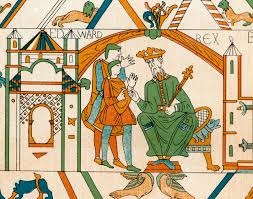
Look back at history. Male rulers and heroes did not wear suits and ties. From early times, they mostly wore some form of skirt. In mediaeval illustrations of kings being crowned, you’ll find them wearing robes – long dresses. Still worn in the Middle East as it was in biblical times, the robe was the ceremonial dress for many rulers and still is for the Pope and other Christian leaders.

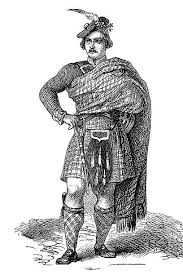
But it was not just pharoahs, emperors and kings. European peasants wore tunics, as did Roman legionaries and Assyrian warriors. Ancient Egyptian soldiers, like the hardy, warlike Scottish highlanders, wore kilts.

Why is it that so many brides want to dress their grooms in the kilt that a whole clothing hire industry has grown up to provide Highland dress outfits for weddings? Possibly as a result of the popular Outlander stories, the kilt still carries a hint of its romantic, swashbuckling history.

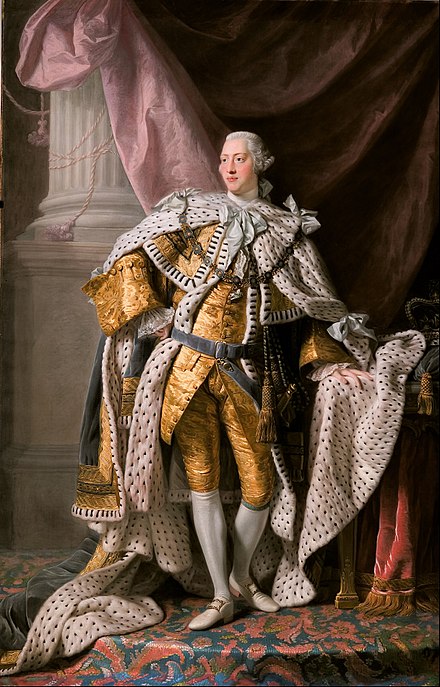
But it wasn’t just the style of male clothing. Look at images of the kings of England and other European countries. Up until the late nineteenth century, you will find them wearing silks and satins, velvet and lace. Except that they could show off their legs in tights if they were young and shapely enough, they were as frilly as the women. In fact often they outdid their womenfolk.

King George III

Charles I -before he lost his head!

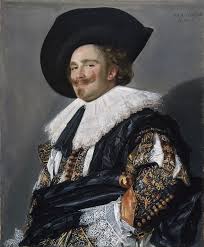
And a happy, laughing cavalier

These men weren’t all transvestites or transgender. Many kings, and even popes, proved their maleness by fathering several children in and out of wedlock. Neither were they sissies. Some were the most famous heroes of history.

No, wearing these expensive materials was a status symbol. Ordinary folk couldn’t afford fancy cloth. There were even Sumptuary Laws, at one time, prohibiting the wearing of such materials by any but the nobility. And in Ancient Rome only the emperor and high nobles could ‘wear the purple’ because the purple dye, made from a substance secreted by a type of sea snail, was extremely expensive. At one time it was worth its weight in gold.

I can’t see satin and lace coming back into fashion any time soon, but perhaps our male leaders could start a trend and set an example for the rest of their sex.

Loosen up guys, live dangerously and get a bit of colour into your lives. Find the courage to throw away the stuffy old dress code and you might even be able to jettison those archaic, misogynistic attitudes that keep talented women out of the upper echelons of power. 

Moving Camp

Over the last week or so, I’ve been moving my writing/art workspace from the back room to the ‘front room’ which we never really used much. We got rid of the big, heavv lounge suite, and it’s amazing how much room that has freed up.

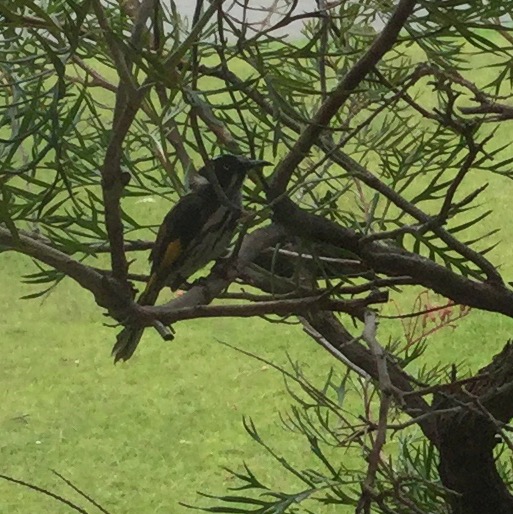
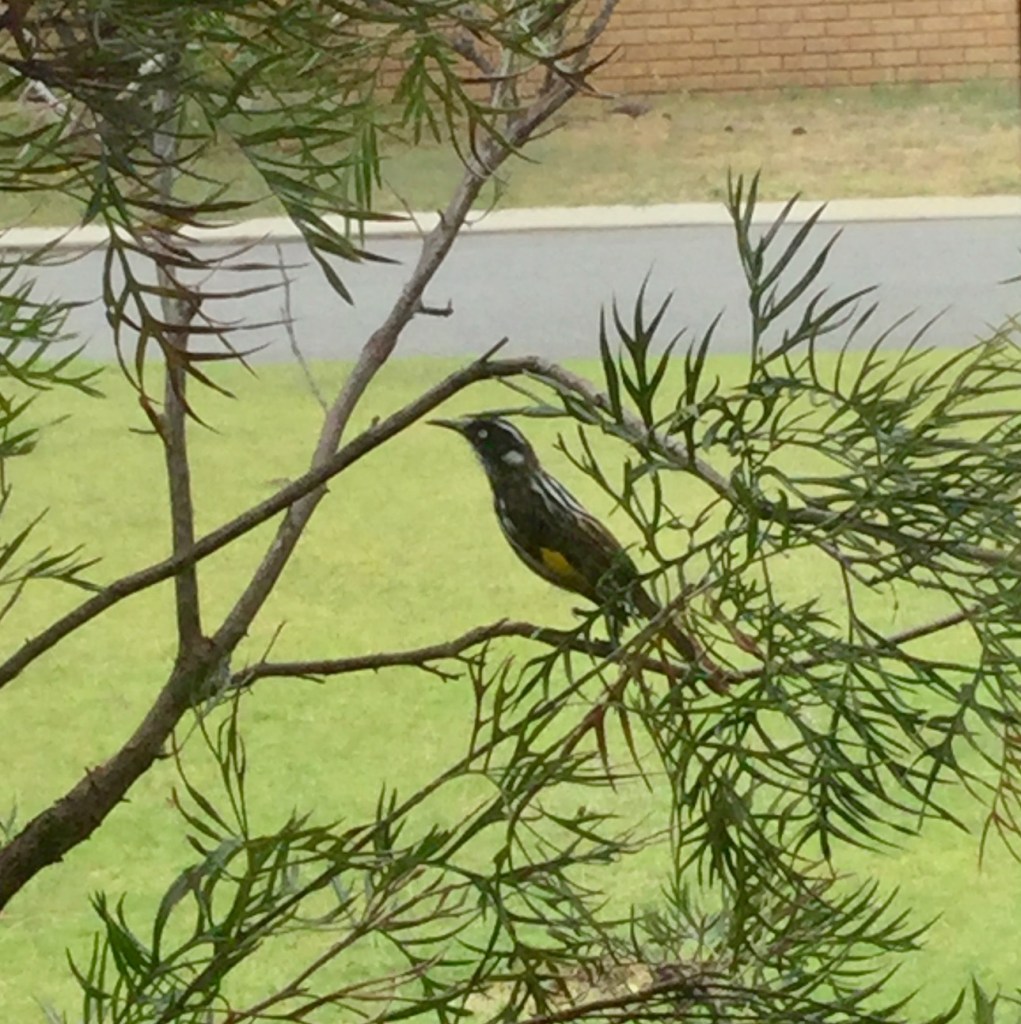
I’m looking forward to combining my writing with watching the wattle birds and honeyeaters hanging upside-down in the grevillea to reach the flowers, while magpies sing on the power wires until the willie wagtails gang up to shoo them and the crows away.

Talking of crows, there seem to be a lot more of them than previously. Twenty of them, what can be best described as ‘a murder of crows’, congregated on a neighbour’s lawn yesterday afternoon, and my morning walk was accompanied by a loud cacophony of ‘caw, caw, caws’ a sound that brings fond memories of walking to school along sandy short cuts through the bush.  But how many crows is too many? The trouble is they have adapted to living in our throw-away society, and can always find bins overflowing with plastic-bagged food scraps, to tear open and spread around.

We have a lot of birds around where we live, unusual for a suburban area. Probably because we still have plenty of trees. Sadly, however the tall trees that used to attract the red-tailed black cockatoos to our little park have been cut down, but it is good to know that the cockies are still around. Some flew over the other day.

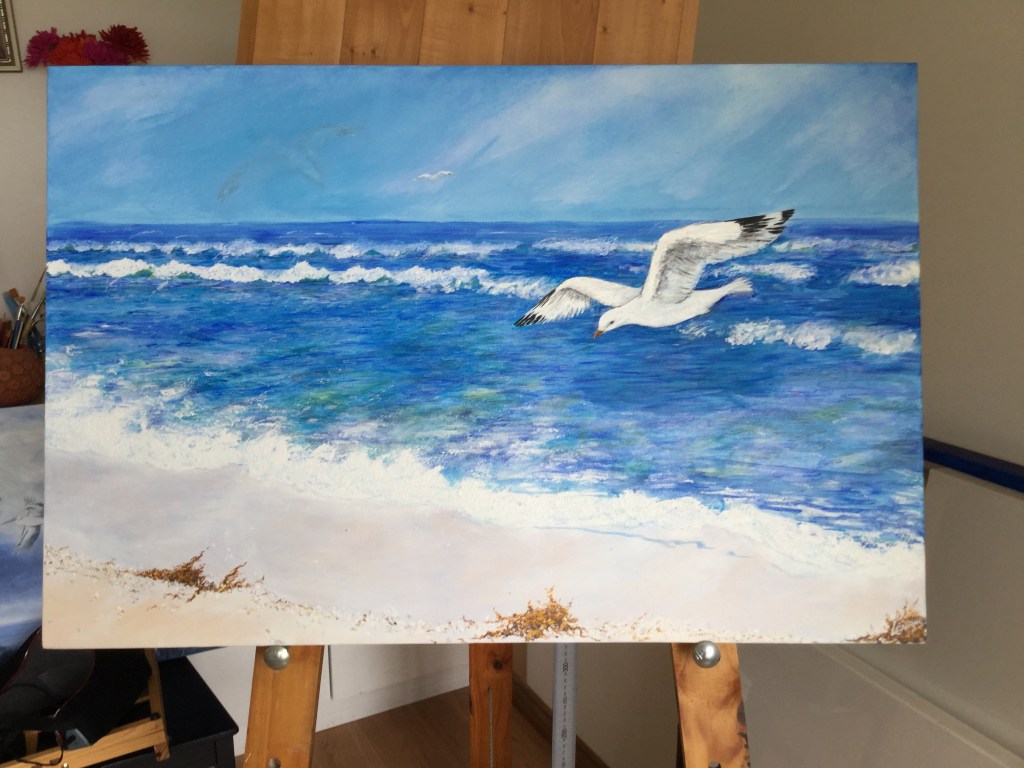
Of course, that’s the trouble, while we happily remove the habitat of birds like them, more enterprising creatures like crows, ibis and seagulls can live off our mess. Then when they breed up, we get calls to cull them. Though crows have always had rather a bad reputation, I like to see the ibis wandering around busily aerating our front lawn and think those of us who have lived near the ocean will always have a soft spot for seagulls. I’m still trying to get the ones in this painting right.

Genesis of a Gold Rush Story

It is strange what sometimes sparks an idea for a story. During Western Australia’s 1890’s gold rush, one of my mother’s great uncles, James McHugh, died of thirst on the Eastern Goldfields, near the place prospectors had ironically named Siberia. His body was identified by his Miner’s Right and another document found on him.[i] When his brother in South Australia saw the press report, he contacted the West Australian police about it. I discovered this letter while researching shipwrecks! It had been misfiled in the Water Police records. I reported it and believe it is now safely filed in the correct place in the W.A. State Records Office.

However, while researching family names on the old newspapers in Trove, I found a report that, some months after James’ body was identified, a man questioned by police gave the false name James McHugh. He was known to police and identified by his own name.[ii] But this set me thinking about how easy identity theft could have been when a man might carry no identification except his Miners Right, the license to search for and claim gold, introduced after anger over the earlier licensing system erupted in violence at the Eureka Stockade. Thereby hangs the fictional tale (working title ‘Gold Dust to Dust’), that I’ve been trying to write over the last year or so. 

Meanwhile, I have learned a great deal about that watershed period in Western Australia’s history.

Today, seeing the barren plains, dotted with ghost towns, that surround Kalgoorlie and Boulder, the twin cities of what is still called the Golden Mile, one would suppose that anyone who set out on foot with no air-conditioned, four-wheel-drive vehicle, no refrigeration and only the water he could carry, must have been insane. But most of these men were completely rational, and at least one man had a paper to prove his sanity.

Within weeks after Bailey and Ford struck gold at the place that was to become Coolgardie in June 1892, the rush was on, with men from all over the world converging on the isolated colony and its even more isolated interior. Newchums from Britain and the Australian cities joined tough old veterans of the Victorian and Californian gold rushes, to answer the allure of gold.

Then, in June 1893, Hannan and Flanagan made the rich discovery at what was to become Kalgoorlie. By August 1893, Southern Cross was ‘full of miners en route to Coolgardie and Hannan’s find [Kalgoorlie], with fifteen hundred miners at Hannan’s, four hundred at Coolgardie, and about five hundred prospecting other parts of the fields’.[iii]

But the gold was not always easy to find, and, unlike previous gold rushes, water was even scarcer. Once they left the settled area, prospectors relied on sketchy maps and the surprising generosity of the local Indigenous people, whose land they were ruining and whose sacred sites they were desecrating, to guide them to water. Even veterans sometimes underestimated the semi-desert conditions and from time to time, prospectors would come upon the decaying remains of men who had perished of thirst. The rush to Siberia, north east of Coolgardie was notorious for the deaths that occurred. But even these gruesome finds deterred few of those afflicted by gold fever. 

With so many diggers streaming into the new goldfields, it was hard to keep track of them all, and government agencies were soon stretched to the limit. The postal service could barely cope with all the letters and parcels, often simply addressed ‘care of the Post Office, Hannans’. But Hannans or Hannan’s Find, as Kalgoorlie was called at first, was at the centre of a wide area dotted with isolated gold finds, some of which were later to become bustling towns.

Very soon, the police were being asked to trace missing men, but the places prospectors were heading were yet to be found on any map. I remember finding, in Post Office Directories of the time, an address listed as ‘Harder to Find’. I assume it was a humorous name for a gold find, but perhaps it was simply the truth. At best it would have been like trying to find a needle in a haystack, and there were some who didn’t want to be found. A late nineteenth century gold rush, with no phones, no electronic media, few newspapers and very slow travel, was a perfect place to hide from your wife, your creditors, or from the Police themselves.

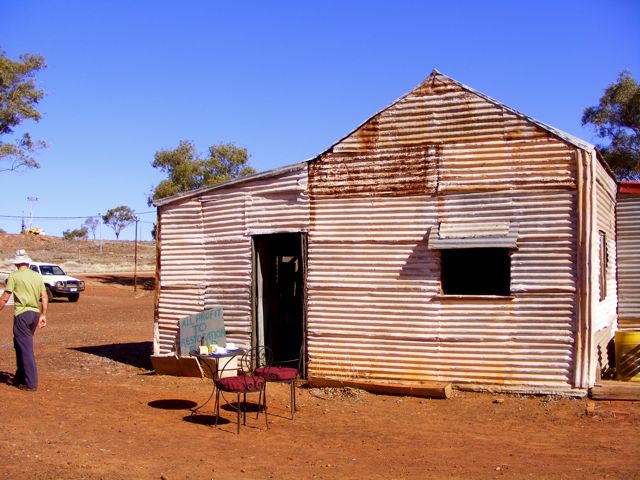
This corrugated iron house, part of the Gwalia museum town would have been luxury compared to the tents and humpies of early Kalgoorlie
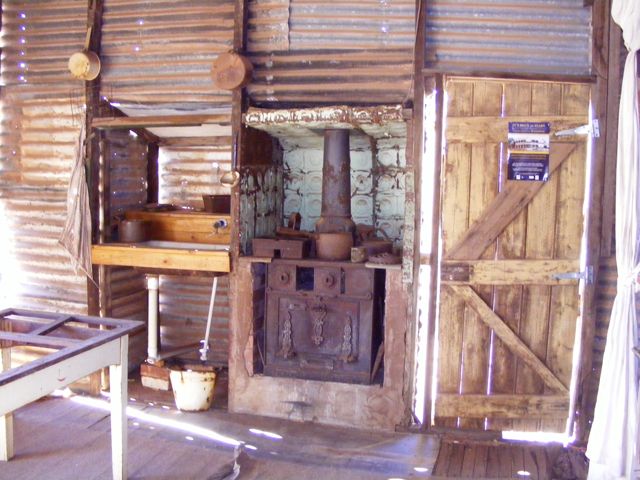
A reconstructed kitchen at Gwalia. A great improvement of the campfires of early Kalgoorlie.

At Hannans, even the Post Office and Police Stations were just tents. The prospectors lived on tinned ‘bully beef’ or kangaroo meat, damper and tea, and the only water had to be bought from men who’d had the foresight to install condensers out at a lake some distance away. At an added cost it could be delivered by camel teams. It was to be another nine years before, thanks to the genius of C Y O’Connor, water was brought the 530 kilometres from Mundaring Weir in the hills near the capital, Perth.

With no water to wash clothes, the men could only try to beat the red dust out of them. Most took Sunday off and tried to tidy up a bit, trimming beards, washing faces and hands and shaving in tiny amounts of water.

This is the world my heroine, Nora Patterson, enters looking for her husband Ned. He had written telling her to come, but where is he? 


[i] The Inquirer and Commercial News, Friday 1 May, 1986, Page 11

[ii] Kalgoorlie Miner Tuesday, 9 March 1897, Page 2

[iii] The West Australian,Tuesday 1 August 1893


The Bombing of Darwin

Today marks the 79th anniversary of the first air strike on Australian soil, the bombing of Darwin by Japanese forces. 

Thanks to Hollywood, everyone knows about Pearl Harbor – the story has been told many times, but what most people don’t realize is that it was not the first, or only, Japanese attack on that day. That morning, before US forces were attacked at Pearl Harbor, the Japanese had already invaded Thailand and British Malaya. We can blame the International Date Line for this confusion. As you may know, that’s the arbitrary, imaginary line that cuts the calendar in half in the western part of the Pacific, zigzagging it’s way between the islands. So, what was 7 December on the Eastern side (US time zones), was 8 December on the west (Australian time zones). 

So, while US forces were coping with the Pearl Harbor attack, the Japanese invasion of British Malaya had begun. It is easy to forget, now they are sovereign nations, that when World War II broke out, Britain held Malaya (now Malaysia), Burma (Myanmar) and Singapore; Timor was a Portuguese possession; and France ruled a large part of South-East Asia, including Vietnam and Cambodia. The Netherlands controlled all the islands that were to become Indonesia (known as the Dutch East Indies), and the USA had military bases in the Philippines, Hawaii and a number of small islands in the Pacific.

The shaded area shows how close the enemy came to Australia’s north in 1942/43. Most of the captured territory remained in Japanese hands until 1945.

It can be seen by the map of Australia and its near neighbours directly to the north, that the territory captured by the Japanese in early 1942 — in particular Indonesia and Timor — is directly north of Western Australia, and very close. It is easy to forget this fact, which also explains why so many Western Australians holiday in Bali. 

In 1942 that tourist industry did not exist. The Dutch, British, French and Portuguese colonies were exotic, faraway places visited by few English-speaking people. Apart from the normal maritime activities of the local people, travel among the islands was mostly the province of pearlers and other exploitative adventurers, using small steamers or sailing vessels. There were no regular passenger flights into the region. It was, after all, only twelve years since Charles Kingsford-Smith had made the first long-distance flight across the Pacific. At that time, even in Europe and the United States, only the wealthy could afford to travel by air.

Australia’s north was equally undeveloped. The important ports that now lie on the northwest coast were not to be developed until vast iron-ore deposits were discovered in the region decades later. In 1942, Darwin was the only important port between Brisbane and Fremantle but, as far as infrastructure and facilities went, it was just a large outback town, an enormous distance from the nation’s major population centres.

In February 1942, Britain’s ‘impregnable’ fortress at Singapore fell and with it went all hope of protection from Britain, which was fighting for its own survival against the might of Germany and struggling to hang on to Burma in the East. The rest of Indochina was already under Japanese control, and the Dutch, embattled in the Indies, had already lost their homeland to the Germans. The ships of the United States Navy had been driven out of the Philippines and were retreating towards the Australian mainland.

On 19 February 1942, only four days after the fall of Singapore, the Japanese bombed Darwin. The attacks were carried out by 54 land-based bombers and 188 attack aircraft launched from Japanese aircraft carriers in the Timor Sea. Just before 10am the heavy bombers led the first attack on the town and harbour, then dive-bombers, escorted by Zero fighters, targeted shipping in the harbour, and both the military and civil airfields. This attack lasted about forty minutes, but enemy planes were back an hour later, bombing the RAAF base at Parap.

In the interests of security and the maintenance of morale, the losses were minimised in published reports. The West Australian of 23 February 1942 published a government communiqué concerning the raid. No mention was made of casualties, but it was reported that there had been no vital damage to service installations and that ‘some damage had been done to shipping’. Quite an understatement! Some 243 people died in that first attack, including eight at the post office, while between three and four hundred were wounded.

During March, Darwin was again attacked, as were Broome and Wyndham in Western Australia, Katherine in the Northern Territory, and Townsville in Queensland. At Broome, 70 people are known to have died and 24 aircraft were destroyed, fifteen of them flying boats. Many of those killed were women and children, refugees from the Dutch East Indies (Indonesia) who must have thought they had finally reached safety. Bombing raids on Darwin, which suffered more than sixty attacks, and the North West ports continued until late 1943.

*Partly based on, and including small excerpts from, Secret Fleets:Fremantle’s World War II Submarine Base, Lynne Cairns (Western Australian Museum, 2011)

IS CLIMATE CHANGE MAKING OUR BUSHFIRES WORSE?

The debate over how we are being affected by climate change is no longer just academic. It is becoming personal! Terrible bushfires devastated great swathes of Australia’s southeast last summer. Now it is Western Australia’s turn. Despite the best efforts of our brave firefighters the fire that started in Woorooloo last week is still burning. And we must not forget that wildfires swept parts of the United States in the northern hemisphere summer.

Bushfires are part of our Australian bush legend. They have figured in stories, poems and songs that have become part of the culture of modern Australia. But our native plants show that fire was always a constant in this great land. Many plants including our iconic gum and banksia trees, need the heat of a fire to open seed pods and encourage growth.

In southern Western Australia we have long hot, dry summers and it must have been difficult for our early white settlers, coming from a cool, damp climate. They tended to blame our Indigenous people, the Noongar, for bushfires, but we now know that fires are often the result of natural events such as lightning, and that our first nations people had learned this over the millennia and knew how to use fire safely to ensure the survival of the environment.

Early bushfires were more likely to have been caused by settlers who, ignorant of the climate, thought it was safe to burn off in summer or leave their campfires unattended on a windy day. While I was researching the roles of women in the early days for my Masters thesis ‘Women’s work in the Swan River Colony’, I read of some terrible house, or rather hut, fires that occurred. For the first few years, many of the newcomers were living in tents or huts built of bark or rushes. Even when basic houses were built, all cooking had to be done on an outdoor fire, because of the danger that thatched roofs, dried out by the intense heat of midsummer, could easily catch fire.

In Where Wild Black Swans are Flying, Becky’s mother dies in such a fire. Later, while Becky is living near Peel Inlet with widowed Meg Kenyon and her little sons, she experiences the terror of being trapped in a bushfire. This is how I described that incident a few years ago. Now, seeing the graphic images of our recent bushfires, perhaps I could have used stronger language. What do you think?

Here is the excerpt. (Bessy is the stray cow Becky, Meg and the boys have recently acquired.)   

It was the year we got Bessy, when I was twelve, that the big fire came. For days it had been breathlessly hot. No breeze at all, with everything so dry the grass crackled under your feet. About midday, a faint breeze sprang up and we saw what looked like a great, black storm cloud away to the south. Then the wind blew harder, bringing the scent of burning gum leaves. Soon it was a gale that came whistling and howling through the trees, driving the fire before it, till smoke hid the sun.

A red glow lit the sky, burning ash rained down on us and we heard the voice of the fire itself, roaring like some demon from Hell, as the poor wild creatures came fleeing from that terrible fiery death. The ground crawled with insects and the air was full of screeching and twittering birds. Kangaroos, emus, wallabies and wild dogs; even possums, down from their trees; and little scurrying things like woylies and spotted chuditchs, passed like ghosts through the choking smoke.

I saw it all from the roof, where I was tossing water on the thatch while Meg frantically pulled more from the well for Bobby to pour on the plants. But we only had two buckets, so it was hopeless.

Billy worried about his ducks but they took to the water themselves, and we’d tied Bessie to a tree by the water. Now all we could do was take everything we could carry and put it in the boat.

“Let Bessy loose, Becky!” Meg shouted, “Maybe she’ll go in the water.”

After I’d done that, I knelt in the shallows, trying to pray, and not think of poor Ma, dying in the flames. But Meg was yelling above the roaring, searing wind, “Come away, Becky! We can pray out on the water.”

And so we did. All of us clinging together, asking God to save us. Maybe he heard, because the wind suddenly swung around to the west, sending the fire whooshing away up the river.

“God grant the settlers up there are safe,” Meg whispered, but I was thinking of Tinjiri’s people and praying they’d escaped the flames too. Hardly daring to believe that our little home was safe, we watched the fire fade away in a gloom of grey smoke, leaving only scorched, blackened earth and smoldering trees.

“Thank God for that strong westerly,” Meg said. “I don’t think the fire will come back this way. There’s nothing left to burn, but we’ll wait a bit to make sure it’s safe, and say another prayer to thank the good Lord for saving us.”

“And the ducks, too, Ma!” said Billy.

“Of course, and Bessy.”

We said our prayers, then rowed back to the beach and went to see how the cottage and garden had fared. Bessy was still standing, mooing, at the water’s edge.

It was a miracle the cottage survived. The thatch at the back was still smoldering. The water we’d poured on had saved it, but if the wind hadn’t turned, the house would’ve gone in the twinkling of an eye. We all cried when we saw the garden. Our poor scorched fruit trees looked half dead, and one end of the garden was burnt black. Some of our new fence lay charred and smoking on the ground.”

So, is climate change making our bushfires worse?

Ask the people who have lived through them. Not just Australians, living in the driest continent on Earth. Ask the people of California, Oregon and Washington State in the US. The people of Spain and of sub Saharan Africa. And it’s not just fire. Climate change is changing the behaviour of devastating events such as Tropical Cyclones (Hurricanes) and Tornadoes.

Yes, something is making bushfires more frequent, more severe. If it’s not climate change, what is it?